


DEF/SCR Delete
Mochester App DEF/SCR Delete solutions for:
How to get
1. Select a Service
Check available tuning solutions in the Mochester App for your truck.
2. Pay for Your Order
Top up your wallet on https://dl.ge/ for the amount of the chosen solutions.
3. Get Your Solution
Return to the Mochester App and get the solutions.




15+ Years of Experience
Professional ECU programming for commercial vehicles since 2009.

Official DrunkLab Software
Original engineering solutions developed by the DrunkLab team.

Fast Turnaround
Most tuning sessions are completed in 25 minutes or less.

How to use the Mochester App
Download
Install and launch the Mochester App. Sign in using your dl.ge account and click Login.
Connect
Tap Start Connecting, follow the on-screen steps, and wait while your vehicle is identified. Click Next to load available tuning solutions.
Top-Up
On dl.ge, open Wallet, select WALLET TOP-UP, enter the required amount, complete the payment, then return to the Mochester App.
Proceed to tuning
Select one or more tuning solutions, click Next, confirm with your one-time password, and wait while the download completes and flashing starts automatically.
Processing
Wait until flashing is complete while monitoring the progress bar. A detailed report will be generated, and your selected features will be ready to use.


What is an DEF/SCR delete in the Mochester App and why do truck owners use it?
An SCR/DEF delete in Mochester App (M4 App) is a software solution that disables the Selective Catalytic Reduction (SCR) and Diesel Exhaust Fluid (DEF/AdBlue) systems in supported vehicles. Truck owners often use SCR/DEF delete solutions to eliminate recurring DEF-related fault codes, avoid derates caused by SCR system failures, reduce maintenance costs, and prevent downtime associated with DEF sensors, dosing systems, and emissions-related components.
Familiarity with the world of truck maintenance and optimization often leads to the topic of operation and removal of SCR and DEF systems. And the DrunkLab has everything you need for that. Meet us!
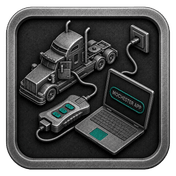
The Mochester App (M4 App) is the leader in the range of truck tuning solutions designed by an experienced team. Focused on key services such as deleting SCR, DEF, DPF and EGR on trucks, buses or CE the Mochester App has a distinctive feature - the fine-tuning options. You can pick up these options according to the truck’s chassis number or VIN by connecting the truck via a diagnostic adapter to your laptop with the previously installed Mochester App. This ensures that every tuning solution matches your truck's specifications exactly.
Let's look at DEF/SCR systems’ work, as well as their advantages and disadvantages.
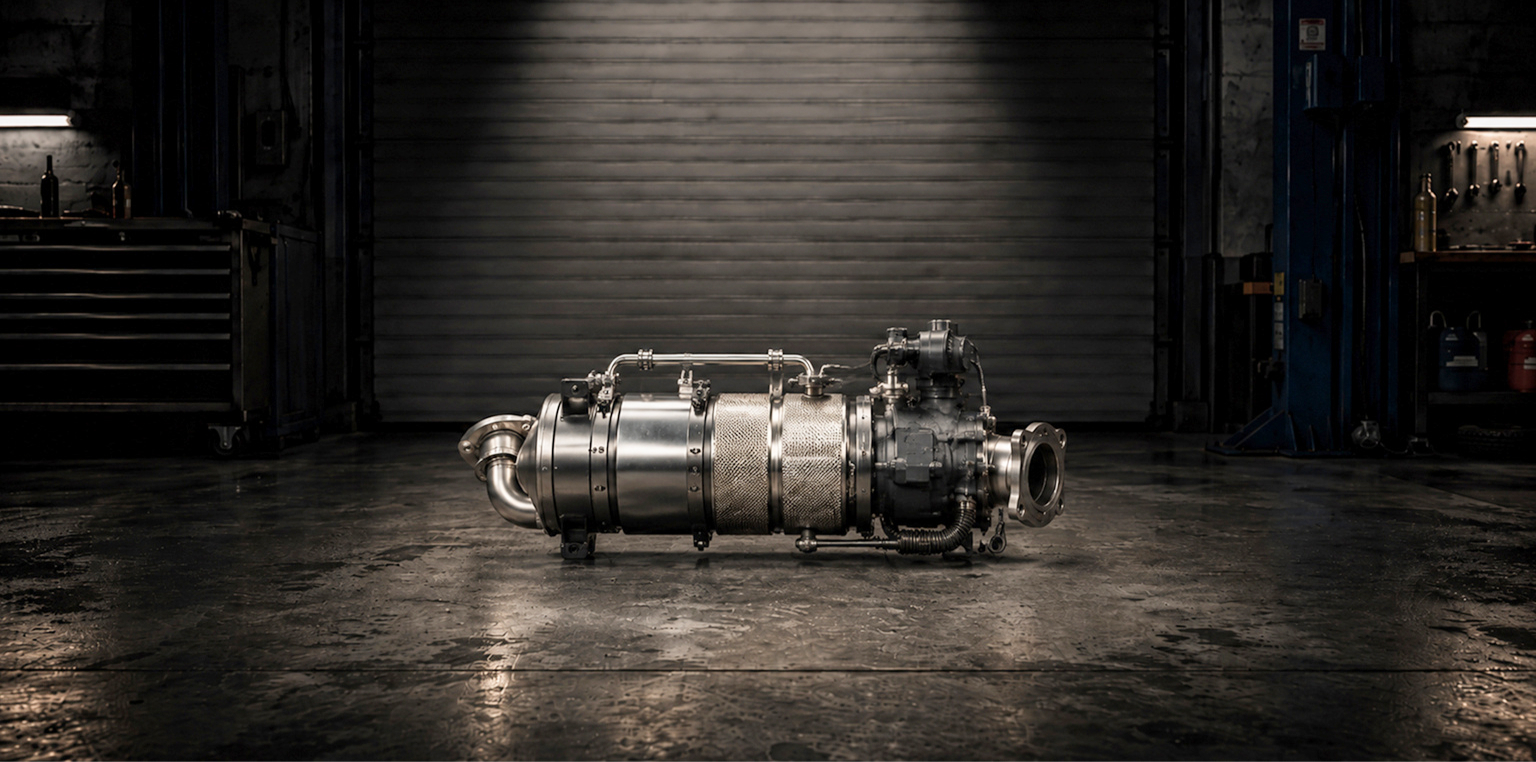
SCR stands for Selective Catalytic Reduction, an essential component of modern trucks designed to reduce harmful emissions. This system uses a special liquid called DEF or AdBlue (diesel exhaust fluid), which splits emissions of NOx (nitrogen oxides) into harmless nitrogen and water vapor.
The principle of DEF operation
DEF and AdBlue are two different names for the same substance used in SCR systems (Selective Catalytic Reduction) for cleaning exhaust gases from harmful emissions from trucks air purifiers with diesel engines.
DEF (AdBlue, Urea) is a special liquid consisting of water and urea (purified carbamide liquid) in certain proportions. Both types of substances contain urea in a concentration of about 32.5%, the main difference may be the content of impurities and the quality of the product, as well as the fact that DEF can also contain high degree of purification water.
The main function of DEF is to provide ammonia (NH3) for the chemical reaction in the SCR catalyst. DEF is injected directly into the exhaust stream before the SCR catalyst, where urea decomposes into ammonia and carbon dioxide.
The SCR system principle of operation
The SCR is a catalyst that uses ammonia from DEF to convert nitrogen oxides (NOx) into harmless nitrogen (N2) and water (H2O). The main function of SCR is to conduct a chemical reaction between ammonia and nitrogen oxides in order to reduce their content in exhaust gases. The SCR is usually located after the oxidation catalyst in the exhaust system and requires for its operation the use of ammonia inflowing from the DEF.
Essentially, truck SCR delete is a tuning process where the SCR system is bypassed or removed. This is the case when DrunkLab offers its SCR delete solution on the Mochester App (M4 App). We specialize in configuring truck software, developing our own firmware, configuration applications and adapters. Thanks to our vast experience, the best testers and global market presence, we have become a reliable partner for truck owners around the world.
Our SCR delete solution is designed specifically to improve the performance of your truck, bus or CE offering potential benefits such as improved fuel efficiency, increased power output and reduced maintenance costs. However, it is important to note that the SCR delete may not be legal in any jurisdictions, as it involves changing emission control systems. We always advise you to familiarize yourself with local regulations and consider the environmental impact before proceeding with such modifications.
Advantages of deleting the SCR system on trucks, buses or CE
There is no need to use urea: One of the disadvantages of the SCR system is the mandatory use of a special liquid - urea (DEF, AdBlue), which must be refilled regularly to ensure the normal operation of the system.
No additional costs: The use of urea (DEF, AdBlue) also entails additional costs for its purchase and maintenance of stocks, which can increase the operating costs of vehicles.
There are no potential problems with the quality of urea: The quality of urea (DEF, AdBlue) is crucial for the effective operation of the SCR system, therefore, the use of low-quality or fake urea can lead to reduced cleaning efficiency and damage to the SCR catalyst.
Fuel saving: unlike some other NOx reduction methods, such as the EGR system, the SCR system does not have a significant impact on fuel consumption.
If the urea level is insufficient (DEF, AdBlue), your truck simply will not start.
Also, there is a frequent problem of liquid thickening (DEF, AdBlue), when operating in regions with low temperatures, which leads to the inability to operate your truck.
Disadvantages of deleting the SCR system
Increase in NOx emissions: The primary benefit of the SCR system is its capability to lower nitrogen oxides emissions, thus, alleviating pollution and enhancing the quality of the environment.
Common Signs of SCR and DEF System Problems
The following symptoms may indicate an SCR or DEF-related issue:
Check engine light
DEF warning messages
SCR efficiency fault codes
NOx sensor faults
Engine derates
Speed limitations
Excessive DEF consumption
DEF quality warnings
Difficulty completing emissions-system diagnostics
Reduced vehicle uptime
Early diagnosis of SCR and DEF problems can help prevent costly repairs, unexpected downtime, and progressive engine derates.
FAQ
How often you refill the DEF depends on the size of your engine?
the mileage you’re getting, and the loads you’re working with. Trucks typically use around 2-3% of DEF for every gallon of diesel fuel. Usually, the DEF tanks are meant to be refilled at the time of regular maintenance, but it is still vital to keep an eye on levels so you don't run out.
What happens if my truck runs out of DEF?
Without DEF, you may notice a lack of performance from your engine. You will also run into issues with emissions compliance, warning lights, partial DPF regeneration, and likely an engine shutdown. To keep your truck running and to avoid all the issues, keep track of the DEF and refill it.
How do I properly handle and store DEF?
DEF is vulnerable to many factors including temperature, exposure to ultraviolet (UV) light, and contamination. As such, DEF must be stored in cool and dry conditions, ideally shielded from the sun and other potential contaminants. DEF must remain in its dedicated equipment and storage containers to prevent contamination. DEF must also remain sealed, we do not want to introduce old DEF to newer supplies of DEF.
Do I still need to fill the DEF (AdBlue) tank after an SCR delete?
No. After the DEF/SCR delete solution has been properly configured, the engine management system will not look for DEF fluid for SCR operation. This may vary depending on the vehicle and the calibration.
What are the most common SCR system problems on modern diesel trucks?
Modern diesel trucks run into SCR issues stemming from faulty NOx sensors, issues with DEF quality sensors, DEF pump problems, dosing valve issues, DEF crystallization, wiring issues, and inefficient SCR catalysts. These issues can result in engine derate problems and various warning signals.
Can an SCR delete eliminate DEF and AdBlue system faults?
A properly configured SCR/DEF delete solution can prevent faults related to the SCR aftertreatment system, including many DEF sensor, dosing, and catalyst-related errors that commonly affect modern diesel trucks.
What happens when an SCR system fails?
Depending on the vehicle manufacturer and software strategy, SCR failures may trigger warning lights, fault codes, reduced engine power, speed limitations, or progressive engine derates until the problem is repaired.
Can poor-quality DEF fluid cause fault codes?
Certainly! DEF fluid that is old, contaminated, diluted, or just bad quality can cause DEF quality faults, SCR efficiency codes, NOx sensor errors, and may cause derating of the engine.
Why does DEF crystallize in the SCR system?
Due to the combination of urea and water, DEF can crystallize over time under certain conditions. Low temperatures, leaking pumps, and poor system maintenance can all lead to the crystals blocking the dosing injectors, line and mixers.
Is SCR the same as DEF or AdBlue?
No. SCR (Selective Catalytic Reduction) is an emissions-control system. DEF (Diesel Exhaust Fluid) is AdBlue. DEF/AdBlue is what SCR systems use to reduce NOx emissions.